

Blog
Pro Tips
Form I-9: What Every Employer Should Know
Mar 18, 2026
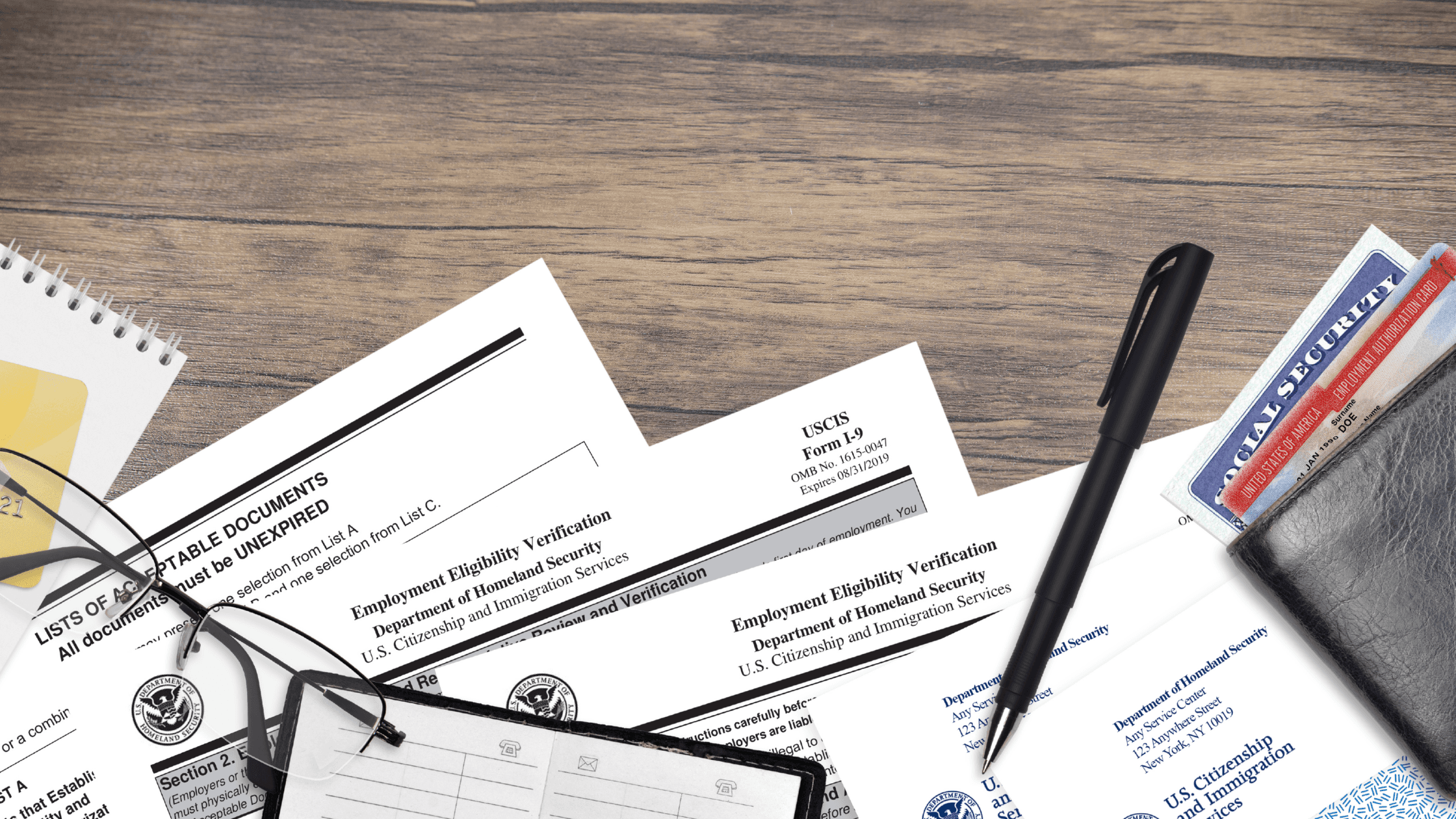
If you manage employees, Form I-9 is one of those compliance items that's easy to overlook until something goes wrong. Here's a straightforward rundown of the most common questions we hear about I-9s, so you can stay organized and audit-ready.
How should I-9s be stored?
Whether you keep them on paper or digitally, the key is keeping I-9s separate from your general employee personnel files. This makes them much easier to locate if you're ever subject to an inspection.
For paper forms, a dedicated I-9 binder or file works well. When an employee leaves, move their form to a separate "terminated employee" file until it hits its destruction date.
For electronic storage, you'll need a records security program in place that covers restricted access, staff training, backup and recovery procedures, and a secure audit trail for any changes made to the records.
How long do you need to keep them?
Hold onto Form I-9 for three years from the date of hire, or one year from the date employment ends, whichever is later. Once a form is past its retention window, destroy it. A secure shredding service is the safest way to dispose of documents that contain identity information.
Do you have to keep copies of supporting documents?
In most cases, no. Unless you're enrolled in E-Verify, retaining photocopies of supporting documents is voluntary. That said, if you choose to make copies, you must do so consistently for all employees, regardless of national origin, citizenship status, or work authorization. Any copies need to be stapled directly to the Form I-9 and can't be repurposed.
Does every worker need to complete a Form I-9?
Only employees. Independent contractors, volunteers, unpaid interns, and other properly classified non-employees are not required to complete one. A few other exceptions apply as well: workers hired before November 6, 1986, those doing casual domestic work in a private home, employees who perform all their work outside the U.S., and workers placed through a staffing or leasing agency (their primary employer handles the I-9, not you).
What if an employee legally changes their name?
In most cases, you don't need a brand-new I-9. What USCIS does recommend is completing Supplement B (Reverification and Rehire) to document the name change. You'll enter the employee's current information at the top, record the new legal name in the appropriate field, and sign and date as the employer or authorized representative.
USCIS also recommends asking the employee for documentation supporting the name change, such as a marriage certificate, to confirm it's legitimate. If you keep copies of supporting documents on file, attach a copy of that documentation to the Form I-9.
Questions about I-9 compliance or onboarding paperwork? The APS team is here to help.
